

King Billy casino Plinko
Introduction
Plinko looks almost too simple to deserve a long explanation. You choose a stake, set a risk level, drop a ball, and watch it bounce through a field of pegs until it lands in a payout slot. That is the surface. In practice, King billy casino Plinko is one of those casino games that reveals its real character only after a few sessions, because the interface is minimal while the experience can change sharply depending on how you configure it.
I see Plinko as a format built around visible randomness. In a slot, the result is hidden inside reels, symbols, and feature logic. In Plinko, the path is exposed. You watch every deflection. That visual transparency is a big part of the appeal, but it can also be misleading. The movement feels readable, yet the outcome remains fully chance-driven. For players in New Zealand looking at King billy casino and wondering whether Plinko is worth trying, that distinction matters more than any marketing label.
This article focuses on the game itself: how Plinko works, why it keeps attention so well, where the pressure points are, and what kind of player is likely to enjoy it. I will also explain where the game is genuinely strong, where it can frustrate, and why its clean design should not be confused with low variance or easy predictability.
What Plinko actually is and why it attracts so much attention
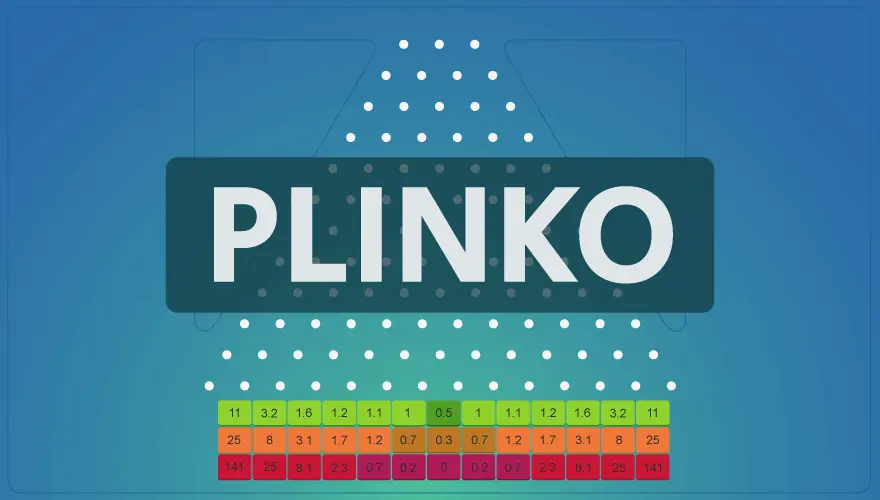
At its core, Plinko is a ball-drop gambling game. A ball falls from the top of a vertical board, hits a sequence of pegs, and gradually drifts left or right until it reaches a multiplier at the bottom. The multiplier determines the return on that specific round. The concept is easy to grasp within seconds, which is one reason the format has become so visible across modern gambling platforms.
What makes Plinko stand out is not complexity, but clarity. A new player does not need to learn paylines, symbol values, top King Billy Casino bonus triggers, card rules, or betting patterns. The game presents a single event with a clear beginning and end. That directness is rare. It lowers the entry barrier while still leaving room for very different session profiles through risk settings and board configurations.
Another reason Plinko gets attention is the contrast between ordinary and exceptional outcomes. Most drops end in modest multipliers or low-return zones, but the edge slots can hold dramatically larger values. That creates a strong emotional curve: many rounds feel routine, yet every drop carries the visual possibility of something outsized. It is a simple setup with a very streamable, watchable rhythm, but I would not reduce its appeal to trends or content creators. The real reason players stay interested is that the tension is concentrated into a short, visible sequence.
One observation I keep coming back to is this: Plinko often feels more “fair” to players than a slot, not because it is more beatable, but because the randomness is easier to see. The ball bounces in front of you. Even when the result is disappointing, the process feels less opaque.
How the Plinko mechanic works in practice
The basic mechanic is straightforward. You place a bet, choose a risk profile, and in many versions also select the number of rows. Then the ball is released from the top of the board. Every peg collision sends it slightly left or right. After a chain of these micro-deflections, the ball lands in one of the bottom slots, each linked to a payout multiplier.
That is the visible side. The practical side is more important. In Plinko, the board layout and multiplier distribution are designed so that the center zones usually carry lower returns, while the outer edges hold the highest values. Reaching those edge positions is harder because the ball needs a sequence of directional outcomes that keep pushing it away from the center. This is why the game can produce many small or medium results and only occasional high hits.
These volatility curves directly influence bankroll planning, since a high-risk board can sustain long dry spells before a single large hit rebalances the session. Players who prefer steady, frequent returns should treat the low-risk setting as the closer match to a standard slot experience, while high-risk suits those comfortable with extended variance.
Rows matter too. A higher row count means the ball has more decisions to make on the way down. That usually creates a more granular distribution and can widen the distance between ordinary and exceptional outcomes. A shorter board resolves faster and often feels less severe, while a deeper board adds suspense and can make the result feel more “earned,” even though the process is still random.
| Element | What it changes | What it means for the player |
|---|---|---|
| Bet size | Scales the monetary value of each multiplier | Higher stakes amplify both routine losses and rare high returns |
| Risk level | Alters payout distribution across the board | Low risk feels steadier; high risk feels sharper and less forgiving |
| Number of rows | Changes path length and often multiplier spread | More rows usually increase suspense and can intensify session variance |
| Auto-play speed | Controls how quickly rounds repeat | Fast play can hide bankroll swings until they become significant |
A useful practical insight here is that Plinko does not become more skill-based when you change settings. It becomes differently shaped. That distinction is essential. You are not improving your edge; you are choosing the type of volatility and pacing you are willing to sit through.
Why the game feels engaging and how its tempo affects a session
Plinko is built around short cycles of anticipation. The round begins instantly, the motion is easy to follow, and the result arrives within seconds. That compact loop is one of the game’s strongest qualities. It creates momentum without needing bonus rounds, King Billy Casino free spins review, or layered rules.
From a player’s perspective, the tempo can feel deceptively light. Because each round is visually clean and easy to process, it is easy to underestimate how many bets are being made over ten or fifteen minutes. This becomes especially important in auto mode, where the game can move from “just a few drops” to a substantial number of rounds before the player fully registers the bankroll impact.
The interesting part is that Plinko can feel both relaxing and tense at the same time. The board has a toy-like simplicity, but the final seconds of a drop can be surprisingly charged, especially when the ball drifts toward an outer lane. That contrast is one of the reasons the format works so well. It offers low cognitive load with high outcome sensitivity.
A second observation worth noting: in slots, tension often comes from waiting for a feature. In Plinko, tension comes from geometry. The player is not waiting for a bonus trigger; the player is watching a path narrow toward a single landing point. That makes the emotional rhythm very different.
Risk, variance, and the kind of player Plinko suits best
If I had to describe Plinko in one practical sentence, I would call it a variance-management game disguised as a casual drop game. The visual presentation is simple, but your experience depends heavily on how much distribution spread you are choosing. This is why two players can try the same Plinko title and come away with completely different impressions.
Low-risk Plinko can suit players who want quick rounds without extreme swings. It still involves chance, of course, but the session often feels more measured. High-risk Plinko is a different proposition. It can produce long stretches where the board does not return enough to sustain the pace, and then occasionally deliver a multiplier that changes the entire session profile. That is appealing to players who are comfortable with droughts and are specifically chasing upside.
For many users, the danger is not only losing. It is misreading the style of the game. Because the interface looks simple, some assume it is a light entertainment format with limited bankroll pressure. That is not always true. A high-risk setup with rapid round speed can be more aggressive than many standard slot sessions.
Plinko is generally a better fit for players who:
- Prefer very short rounds and immediate outcomes.
- Enjoy visible randomness rather than reel-based presentation.
- Understand that rare large multipliers often come with many unremarkable results in between.
It may be a weaker fit for players who want narrative features, evolving bonus structures, or a stronger sense of progression during a session. Plinko does not really “build” in the same way a feature-heavy slot does. It repeats a core event with different outcomes.
What players should understand about probability and possible results
Plinko encourages intuitive thinking. People naturally watch the ball and imagine that small directional changes are telling them something. In reality, the important point is not the path you are seeing in isolation, but the distribution behind repeated drops. The center is easier to reach than the edges, and the paytable is built around that fact. High multipliers are high precisely because they sit in lower-probability landing zones. Those comparing loyalty perks can weigh this section against King Billy Casino Aviator crash game before making a deposit.
This is where expectations need to stay grounded. A top multiplier is not a realistic baseline target for a short session. It is an outlier. The game remains attractive because those outliers are visible and theoretically reachable on any drop, but a player should not treat that as likely in the everyday sense.
On a practical level, three things matter before launching a session:
- Risk level changes the shape of outcomes. It does not create a smarter strategy; it changes how punishing or explosive the distribution can become.
- Fast sessions can distort perception. Ten seconds feels short, but a large number of rounds can happen in a small window.
- Near-misses are emotionally powerful. A ball landing close to a high multiplier can make the next drop feel “due,” even though each result remains independent.
That last point deserves emphasis. Plinko is particularly good at producing memorable near-edge moments. They can create a strong urge to continue because the high-value zone looked close enough to touch. This is one of the game’s most compelling and most dangerous psychological traits. The board makes randomness look almost negotiable, when it is not.
How Plinko differs from slots and other casino games
The easiest comparison is with online slots, because many players arrive at Plinko from that direction. The difference is immediate. A slot uses reels, symbol combinations, paylines or cluster systems, and often multiple bonus layers. Plinko strips all of that away. There are no symbols to memorize and no feature ladder to follow. You are dealing with one event: a falling ball resolving into a multiplier. A quick read of compare King Billy Casino coupons before signing up answers most questions about limits and account settings.
That simplicity changes the player experience in several ways. First, the feedback loop is shorter. Second, the source of suspense is visual movement rather than reel reveal. Third, the player has fewer moving parts to interpret, which can make the game feel more transparent even though the mathematical uncertainty remains. Players who value quick withdrawals will find real timings in chicken road at King Billy Casino.
Compared with table games, Plinko also occupies a distinct space. It lacks the strategic decisions of blackjack and the ritual structure of roulette. There is no bluffing, no hand management, and no wheel section to choose. Yet it still offers a stronger sense of event progression than many instant-win formats because you watch the result unfold physically on the board.
| Format | Main source of tension | Session feel | Player involvement |
|---|---|---|---|
| Plinko | Ball path and landing zone | Fast, visual, repetitive but sharp | Low strategic input, medium emotional engagement |
| Classic slots | Reel stops, bonus triggers, symbol combinations | Layered, feature-driven | Low strategic input, higher theme variety |
| Roulette | Wheel result after bet placement | Structured and cyclical | Moderate choice in bet types |
| Blackjack | Card decisions and dealer outcome | More deliberate | Meaningful decision-making |
At King billy casino, this distinction matters because a player browsing casino games might assume Plinko is just another casual side option. It is not. It is a separate style of gambling entertainment with its own rhythm, pressure points, and bankroll behavior.
Practical strengths and limitations of Plinko
The biggest strength of Plinko is accessibility. You can understand the core loop almost immediately. That makes it one of the easiest games to test in short sessions, including demo play where available. It also has unusually clear visual communication. You are not decoding a paytable full of symbols; you are watching movement resolve into a known multiplier map.
Another strong point is pace control. Players can often adjust stake, risk, and sometimes rows in a way that meaningfully changes the feel of the session. This gives the format more flexibility than it first appears to have. A cautious player and a high-variance chaser can use the same board in very different ways.
The practical trade-off is that Plinko's simplicity cuts both ways: the core drop event stays static, so the game tends to lose its pull sooner than a feature-rich slot, especially once the novelty fades. Players who value escalating bonus rounds, expanding mechanics, or evolving music states will likely find the experience too bare in the long run. In most cases, a slot with layered features sustains engagement far longer, whereas Plinko suits shorter sessions where the quick drop-to-payout loop is the main draw.
There is also a practical downside in how easy it is to overplay. Because each round is short and visually neat, bankroll erosion can feel less dramatic than it actually is. This is especially relevant in auto-play sessions. The game does not demand much attention, which can be convenient, but that same convenience reduces friction in a way some players should treat carefully.
A third observation that often gets missed: Plinko is one of the few gambling formats where a losing session can still feel “active” and entertaining because the motion itself is the spectacle. That keeps engagement high, but it can also soften a player’s perception of how expensive the session has become.
What to check before starting a Plinko session at King billy casino
If you are considering King billy casino Plinko, I would focus on setup discipline more than anything else. The game does not require technical knowledge, but it does reward clear expectations.
Before you begin, pay attention to the following:
- Risk profile: decide whether you want a steadier session or are intentionally choosing a more extreme payout spread.
- Stake size: because rounds resolve quickly, even modest bets can add up faster than expected.
- Rows and board layout: if adjustable, these settings can change how the session feels and how often results cluster around the center.
- Auto-play settings: useful for convenience, but potentially dangerous if you lose track of round volume.
- Session goal: know whether you are testing the format, looking for short entertainment, or deliberately taking a shot at higher multipliers.
If you are new to the format, I would not start with the most aggressive setup just because the top multiplier looks attractive. A moderate approach gives you a better feel for the board’s rhythm and helps separate the visual excitement of the drop from the actual return pattern. That matters whether you are playing at Kingbilly casino or any other platform offering this format.
Final verdict on King billy casino Plinko
King billy casino Plinko offers a very specific kind of gambling experience: fast, visual, stripped-down, and heavily shaped by variance settings. Its main strength is clarity. You always understand what is happening. The board, the drop, and the multiplier map are easy to read. For many players, that makes Plinko more approachable than slots and more immediately engaging than some instant-win formats.
Its second major strength is flexibility within a simple structure. By adjusting risk and, in some versions, rows, the same game can feel relatively measured or aggressively swingy. That gives Plinko more depth than its minimal presentation suggests.
The caution point is equally clear. Simplicity should not be mistaken for softness. Plinko can move quickly, produce uneven return patterns, and encourage continued play through near-miss tension and constant short-cycle anticipation. Players who want rich features, strategic input, or longer-form session development may find it too repetitive. Players who like direct outcomes, visible randomness, and configurable variance may find it highly effective.
My practical conclusion is simple: Plinko is worth trying if you want a clean, fast casino game where the drama comes from the path to the result rather than from layered features. Just go in understanding what it really offers. It is not a puzzle, not a strategy game, and not a softer version of slots. It is a compact probability machine with a transparent face. For the right player, that is exactly the appeal.
FAQ
What happens after each ball drop in Plinko?
Each ball is released from the top and falls through pegs to land in a payout zone. The zone determines the multiplier result for that round.
How does Plinko’s multiplier system affect the risk level?
Plinko outcomes are tied to multipliers shown on the board. Higher multipliers are typically associated with narrower landing areas, so the variance can feel stronger during real-money play.
How are payouts handled in Plinko—does the result apply immediately?
The multiplier result is applied after the ball lands in a payout zone. The balance update for real-money play typically appears right after the round ends.
What should be done if the Plinko page fails to load or the ball drop button is missing?
Try reloading the page and confirm the internet connection is stable. Check whether the account is logged in and whether the mode selection panel appears. Clearing cache and disabling restrictive browser extensions can also resolve display issues.
